24/7 Phone Services

-
-
Visit Our Place
NY 11209, United States
Preloader Close
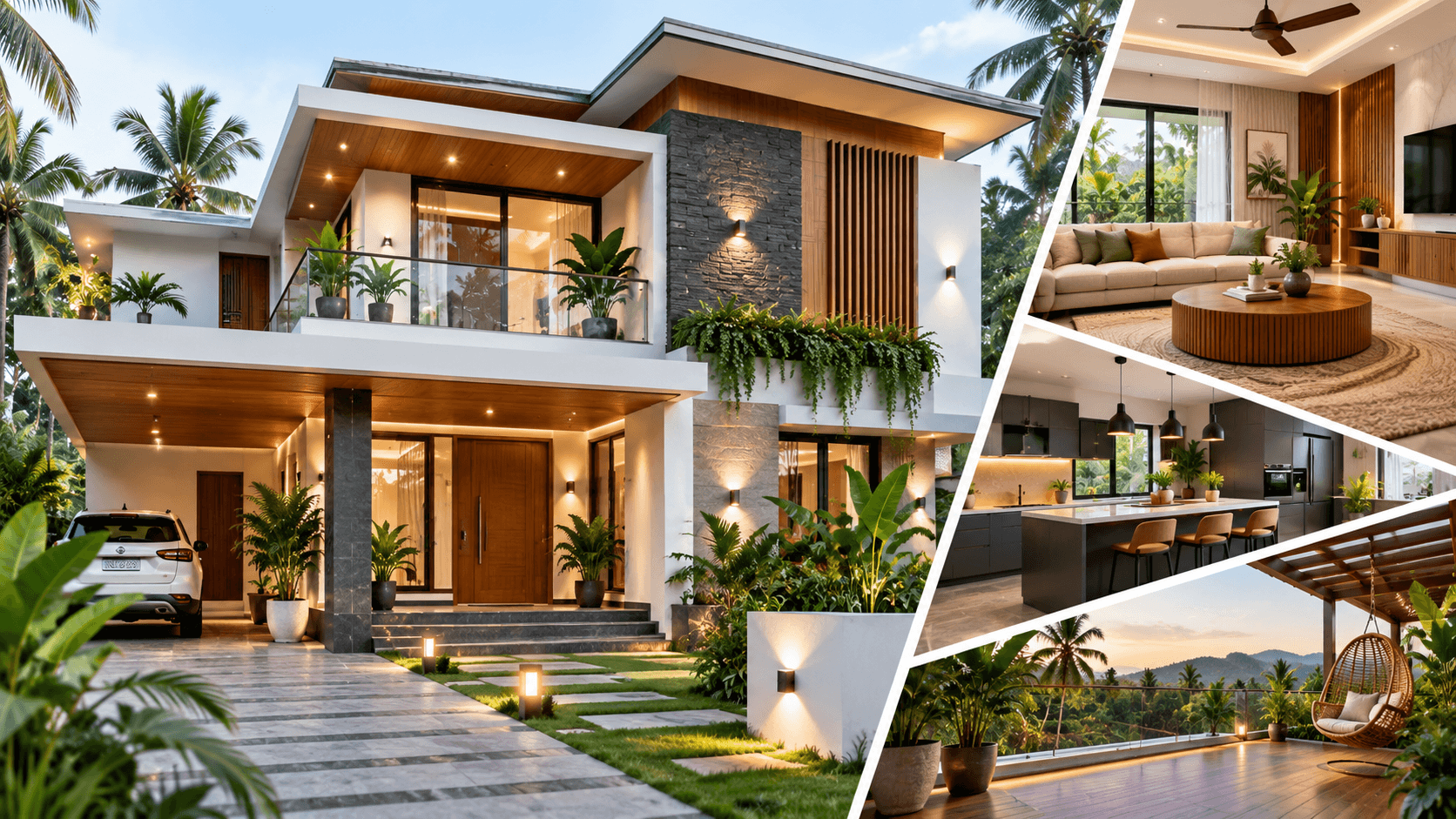
The Changing Face of Local Home Design
Kerala is undergoing a massive architectural shift. Homeowners are turning away from sprawling, high-maintenance mansions in favor of compact, ecological dwellings. This shift focuses on raw utility and smart space management.
This guide breaks down the precise materials, layouts, and technologies defining regional residential construction today. Understanding the Latest Home Building Trends in Kerala helps prospective builders make smart decisions. It balances classical beauty with modern utility.
Builders in Kochi and Trivandrum now favor local materials like laterite stone and clay roof tiles. These regional choices lower emissions while keeping interiors cool during oppressive summers. Excessive decoration is out.
The focus has turned firmly toward long-term durability and thermal control. Simple structures are replacing ostentatious designs.
These shifts reflect the Latest Home Building Trends in Kerala, combining regional heritage with global standards.
Green Architecture and Smart Materials
Eco-conscious building is no longer a luxury choice. It is a baseline requirement in regional construction today. Natural ventilation and rainwater collection are now standard features in new layouts.
By aligning with the Latest Home Building Trends in Kerala, modern builders ensure that residential structures remain resilient. Homes must withstand heavy seasonal monsoon floods and fierce summer heat.
Thermal Protection via Porotherm Bricks
Porotherm clay bricks feature a density of 690 to 740 kg per cubic meter. They offer solid structural strength alongside natural insulation. This setup lowers indoor temperatures by 3 to 5 degrees Celsius during peak summer months.
Sourcing these blocks locally cuts shipping costs. It also directly boosts local clay manufacturers.
Water Storage and Solar Systems
Rainwater storage tanks holding 10,000 liters or more secure water supplies during dry spells. Homeowners also install solar panels to offset soaring power bills. This reduces reliance on the public grid.
| Material | Key Benefit | Thermal Impact |
|---|---|---|
| Porotherm Clay Bricks | High structural strength & insulation | Reduces heat by 3-5°C |
| Recycled Wood Composites | Durable outdoor decking | Weather-resistant |
| Lime Plaster Coatings | Prevents mold growth | Improves breathability |
Smart Layouts and Minimalist Floor Plans
Open layouts represent a major shift in local home design. Older houses relied on walled partitions that choked off airflow. Now, people want breathing room.
This open layout is a hallmark of the Latest Home Building Trends in Kerala, moving away from unnecessary walls. It creates a smooth flow between living, dining, and cooking areas.
Harnessing Natural Light and Airflow
High ceilings and tall glass panels are now standard additions. These features flood rooms with natural light and make small plots feel spacious. Smart window placement ensures steady cross-ventilation, cutting the need for active air conditioning.
The Return of the Modernized Nadumuttom
The traditional central courtyard, or Nadumuttom, is back with a modern twist. Designers install central courtyards with retractable glass roofs that let sunlight in while sealing out downpours. Bringing green plants inside the house boosts mood and air quality.
Smart Systems and Home Automation
Automation is reshaping how families live in their homes. Incorporating smart systems fits directly with the Latest Home Building Trends in Kerala, where technology curbs power waste. Sensors shut off lights and fans when rooms sit empty.
Automated Security and Climate Control
Voice commands and automated blinds manage indoor temperatures. These systems offer immense ease and safety, which helps elderly family members. Smart sensors catch plumbing leaks early, stopping costly water damage before it spreads.
- Biometric locks and remote video doorbells for added security.
- Drip irrigation lines to water rooftop gardens on schedule.
- Smart utility meters tracking live power usage.
Smart Tech Incorporation
Tech features blend directly into the interior decor. Controls sit flat on the walls, and wires run deep inside the masonry during early construction phases. This planning keeps the visual lines clean and uncluttered.
Padippura Styles and Fusion Architecture
Blending classic Kerala features with Western shapes creates a striking look. Families still want high-pitched clay roofs but pair them with clean concrete structures underneath. This fusion is a standout among the Latest Home Building Trends in Kerala, marrying past heritage with current lifestyle needs.
Updating the Padippura Gateway
The traditional entrance gateway, known as the Padippura, is getting a makeover with thin steel frames and teak planks. This keeps local heritage alive while matching modern taste. Heavy wooden pillars are replaced with cast iron or cured bamboo to stop termites.
Industrial Textures and Exposed Finishes
Exposed concrete and raw brick accent walls are replacing plaster in living rooms. This design choice cuts down on paint costs and adds a gritty, rustic texture. Pairing warm timber with cool, gray concrete creates an elegant contrast.
Smart Ways to Control Building Costs
Rising material prices force builders to find smarter ways to construct. To keep costs down, adopting the Latest Home Building Trends in Kerala often means using pre-built steel frames. This method slashes manual labor hours and speeds up the handover date.
Rapid Building with GFRG Panels
Glass Fiber Reinforced Gypsum, or GFRG panels, offer a fast alternative to brick. These hollow panels provide great load-bearing capacity and go up in a fraction of the time. This system cuts down on river sand and cement, reducing environmental damage.
- Building a flat roof topped with a light truss frame to gain extra storage space.
- Using premium vitrified tiles instead of high-end Italian marble.
- Buying bricks and tiles directly from nearby factories to skip middleman fees.
Efficient Modular Kitchen Systems
Modular kitchen systems make assembly and cleaning straightforward. They fit massive storage into small corners using smart pull-out shelves and built-in slots for stoves. This method reduces timber waste and delivers a clean, uniform look.
Green Landscaping and Versatile Yards
Shrinking plot sizes in cities make smart space use vital. Modern landscaping concentrates on creating versatile green pockets within tight property lines. Planting vertical gardens on compound walls is a prime feature of regional green building.
Rooftop Farms and Natural Cooling
Roof gardens and terrace patios offer quiet outdoor seating without eating up the yard. These living green layers block overhead sun, lowering indoor temperatures naturally. Laying porous paving blocks in driveways lets monsoon rain soak back into the soil.
Key Advice for Future Home Builders
Combining modern building tricks with respect for the local monsoon climate is key to a lasting home. Owners must prioritize heat insulation and low-carbon materials. Staying updated on the Latest Home Building Trends in Kerala ensures your build remains climate-resilient and affordable.
Spending on durable insulation and regional materials pays off in long-term comfort. Choosing smart design over massive square footage leads to a beautiful, easy-to-run home.